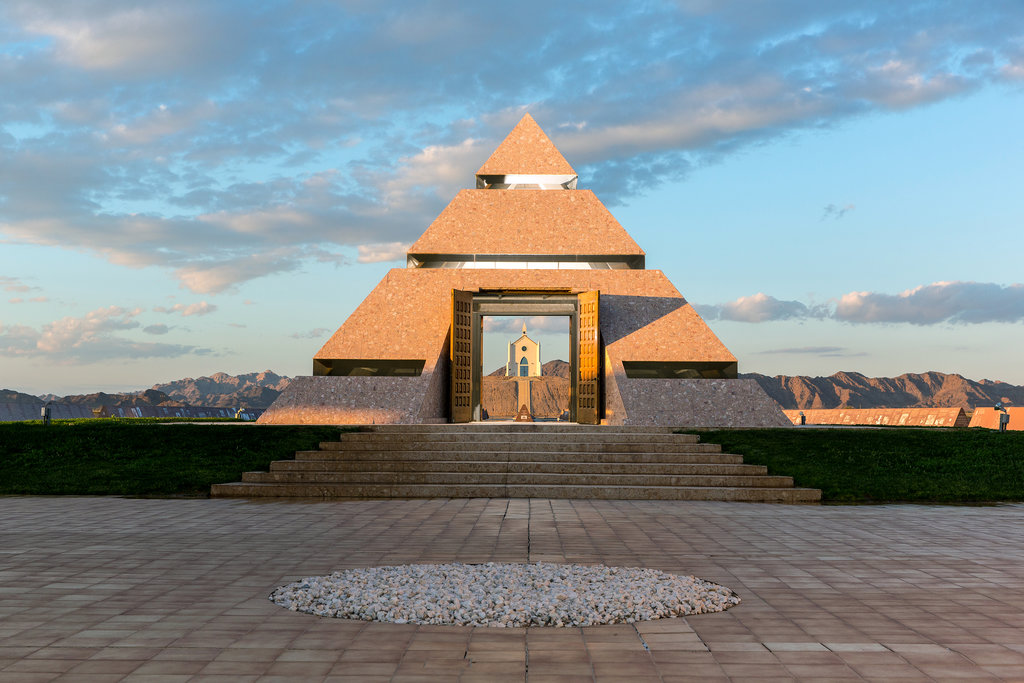
Prof. Herbst’s scholarly work focuses on the religious and cultural history of late antiquity and the early medieval world as well as environmental history, particularly focusing on desert regions. Prof. Herbst also seeks to strengthen pluralism, recognizing that disagreement is not a failure of inclusion but an essential feature of it. Pluralism calls for the capacity to engage differences with mutual respect and a shared commitment to remaining in dialogue and in community even through disagreement.
His forthcoming study, “‘The Only Other Thing is Nothing:’ Survival and Beauty in the Colorado Desert,” is part of the From Glory to Grave?: “Dead Cities” throughout Time and Space symposium project. This follows previous studies on the region: “Pilgrimage and the Sacred in the Colorado Desert,” Desert Researcher (2025);” Journey to the Center of the World: Memory and the Sacred in the Colorado Desert” in World History Connected Vol. 20/no. 2 (Summer 2023); and “God, Satan, and Freshmen in the Southern Californian Desert” in World History Connected Vol. 18/no. 2 (Summer 2021). For a related topic, see his “Water in World History: Pedagogical and Thematic Approaches” in World History Bulletin (Fall 2024), a reflection that ranges from the ancient to the contemporary world.
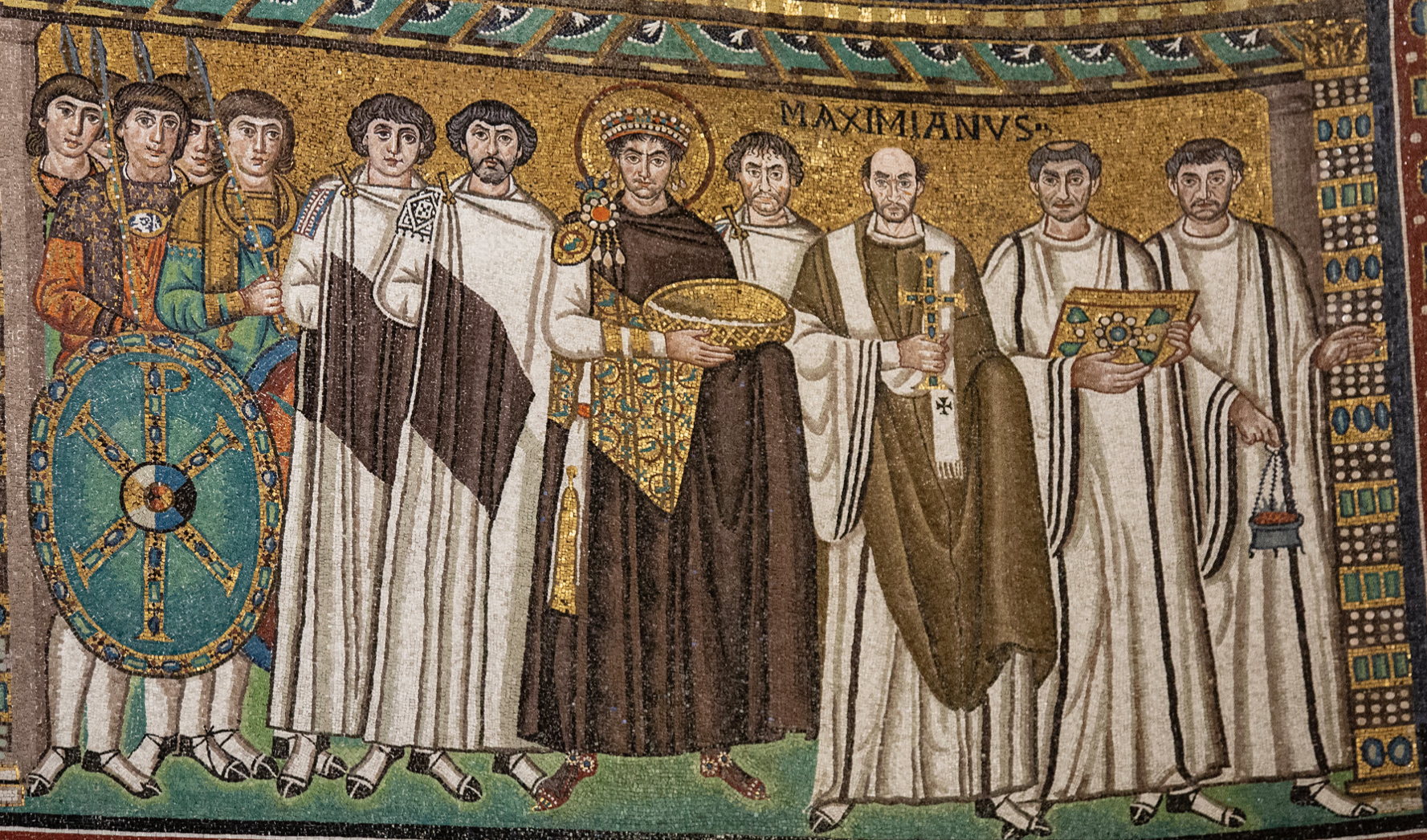
His upcoming book examines notions of religious war in the early medieval Mediterranean, with a focus on the city of Jerusalem, co-written with historian Stefan Stantchev (Arizona State University), expected publication in 2027. In that work, Prof. Herbst returns to his study of the Roman/Byzantine world, which he previously reflected upon in “Hagia Sophia: Bridge Across Time,” in Asia in World History: Comparisons, Connections, and Conflicts, Education about Asia, Vol. 26/3 (2022), and “Broadcasting Power: Teaching Historical Transformation through Hagia Sophia” in World History Connected Vol. 16/3 (October 2019).