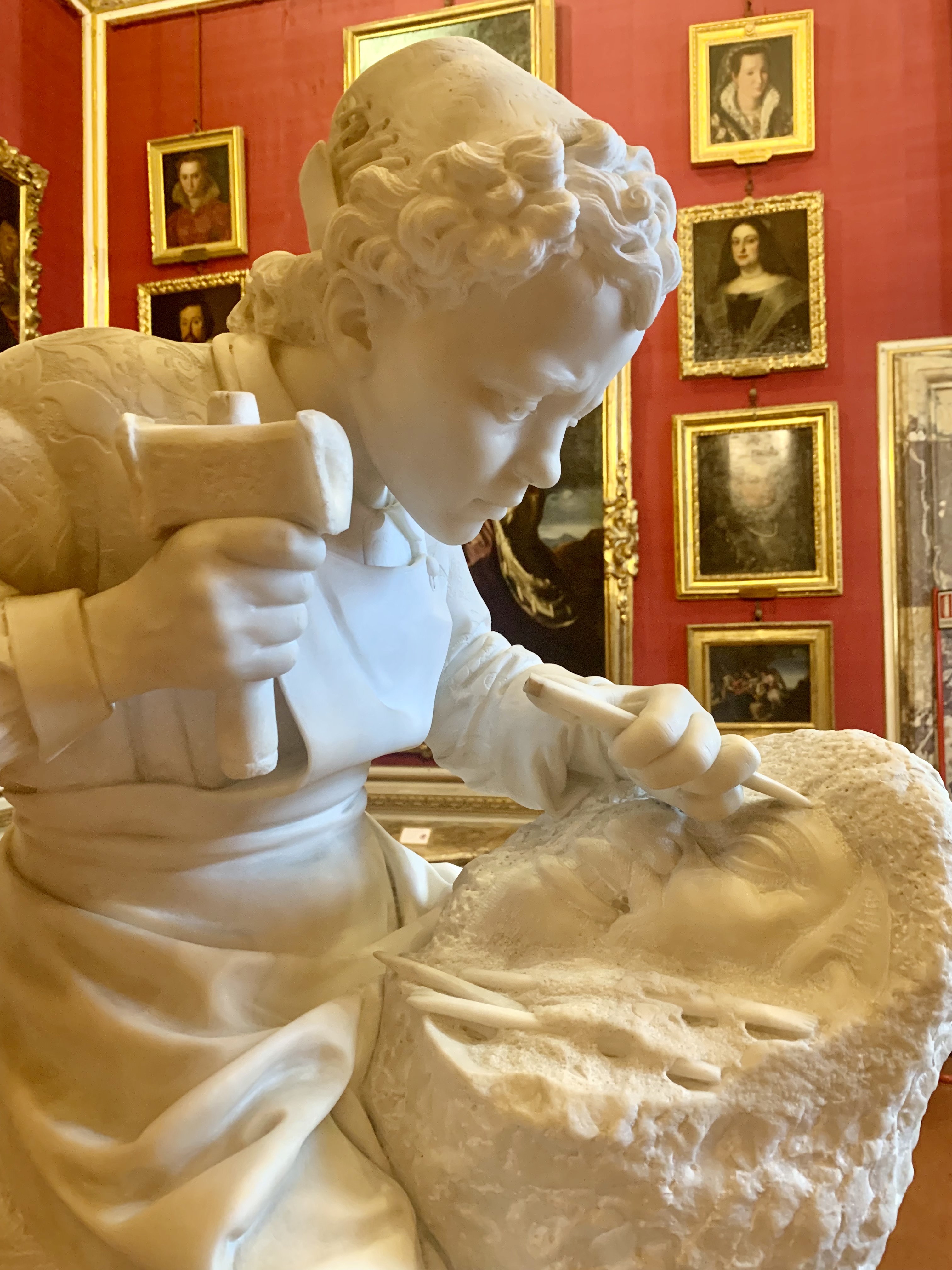
This summer program focuses on the revival of classical culture in the early modern period through extensive engagement with the cities of Rome and Florence. Students traverse ancient Roman monuments, Christian churches and catacombs, Renaissance palaces, villas, and gardens, and the contemporary cities in which these are located. You walk in the footsteps of emperors, bishops, authors, and renowned artists like Michelangelo and Bernini. The program also considers the experience of the majority of people who lived in Rome through the ages as we examine issues of housing, food and water, entertainment, and public health.

The Global Seminar contains two courses. One course (HUM 3) examines the revival of classical learning and ideals during the Renaissance, and then traces subsequent developments through the Reformation and Scientific Revolution in the sixteenth and seventeenth centuries, which shifted away from the Renaissance vision of the past and forged a new way of understanding the world, both past and present. The second course examines the long history of Rome, from the Roman Republic to the early modern era. Today, Rome is a national capital and also the center of a religious community with more than one billion adherents across the globe. In this sense, Rome remains an “eternal city” and caput mundi (world capital). This course provides the broader context for our study of the early modern period and the global interconnections that emerged.

 Prof. Matthew Herbst